GENDER-BASED VIOLENCE AND ECONOMIC JUSTICE
OCDI Strengthens Safeguarding and GBV Prevention Through PSEAH Training
10/12/2026
SENSITISATION
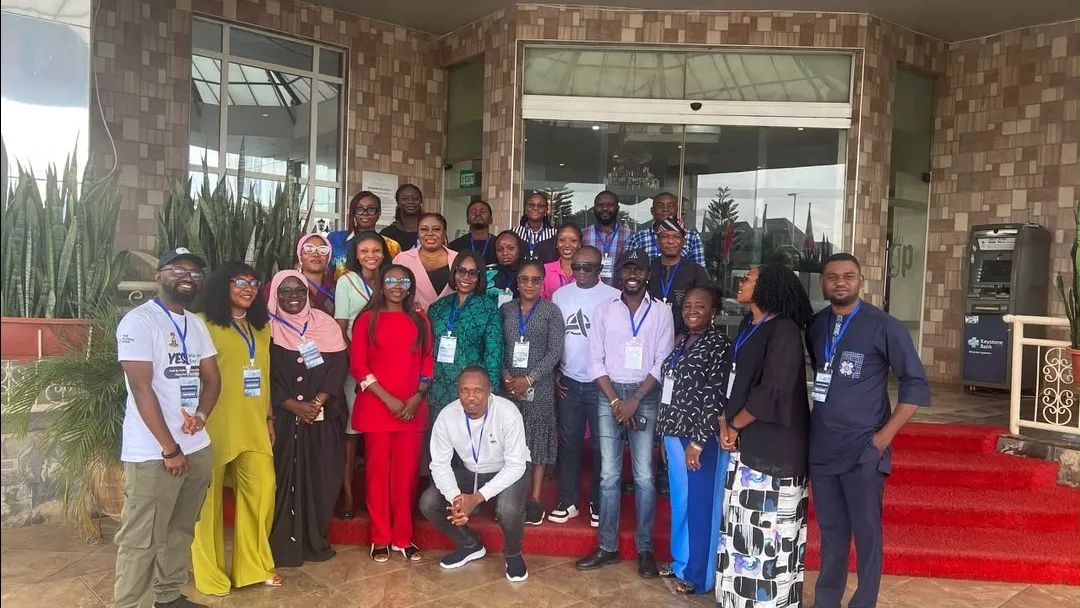
Olive Community Development Initiative (OCDI) continues to strengthen its commitment to safeguarding and gender-based violence prevention as its Paralegal Officer participates in a Sexual Exploitation, Abuse and Harassment (SEAH) / Prevention of Sexual Exploitation, Abuse and Sexual Harassment (PSEAH) training organised by the Institute of Human Virology Nigeria (IHVN). The training reinforces the importance of accountability, safe reporting mechanisms, and extending safeguarding efforts to address emerging concerns such as Technology-Facilitated Gender-Based Violence (TFGBV).
Safeguarding must go beyond physical spaces. In an increasingly digital world, protecting people also means recognising and responding to the ways technology can be used to perpetrate abuse.
Olive Community Development Initiative (OCDI) continues to strengthen its commitment to safeguarding, accountability, and gender-based violence prevention through staff capacity development.
Recently, OCDI’s Paralegal Officer participated in a Sexual Exploitation, Abuse and Harassment (SEAH) / Prevention of Sexual Exploitation, Abuse and Sexual Harassment (PSEAH) training organised by the Institute of Human Virology Nigeria (IHVN).
The training provided valuable knowledge on PSEAH, the Inter-Agency Standing Committee (IASC) Six Core Principles, the Nine PSEAH Standards, and practical approaches to applying these principles within organisations, workplaces, and communities.
Beyond the technical knowledge gained, the training highlighted the collective responsibility of individuals and organisations to prevent abuse, promote safe environments, strengthen accountability, and establish accessible reporting mechanisms that protect the rights, dignity, and safety of everyone.
Connecting Safeguarding to Technology-Facilitated Gender-Based Violence
As technology becomes increasingly integrated into everyday life, safeguarding efforts must also consider the risks people face in digital spaces.
Technology-Facilitated Gender-Based Violence (TFGBV) occurs when digital technologies are used to perpetrate, facilitate, or amplify gender-based violence. Examples include online harassment, cyberstalking, threats, non-consensual sharing of intimate images, and other forms of technology-enabled abuse.
These experiences can undermine the safety, dignity, privacy, and participation of women and girls, both online and offline.
For organisations working to advance gender equality and protect vulnerable populations, addressing these risks is an important part of building a comprehensive safeguarding culture. This includes promoting digital safety awareness, protecting sensitive information, ensuring accessible and confidential reporting channels, and supporting appropriate responses to reported incidents.
Building a Culture of Accountability and Protection
At OCDI, we recognise that safeguarding extends beyond having policies in place. It requires consistent action, shared responsibility, and a commitment to ensuring that people can access services and participate in programmes without fear of exploitation, abuse, or harassment.
The knowledge gained through the PSEAH training will contribute to strengthening safeguarding awareness within the organisation and supporting efforts to share relevant learning with colleagues and community members.
By promoting accountability, strengthening prevention measures, and encouraging safe reporting, OCDI remains committed to creating environments where the rights and dignity of all individuals are respected.
As part of this commitment, we recognise the importance of ensuring that conversations about safeguarding include the risks associated with digital technologies and the need to make online spaces safer, particularly for women and girls.
Safety should not depend on where abuse happens. Whether offline or online, everyone deserves dignity, protection, and access to appropriate support.
OCDI will continue to promote safeguarding, strengthen organisational practices, and support efforts to prevent gender-based violence in all its forms.